The Eels
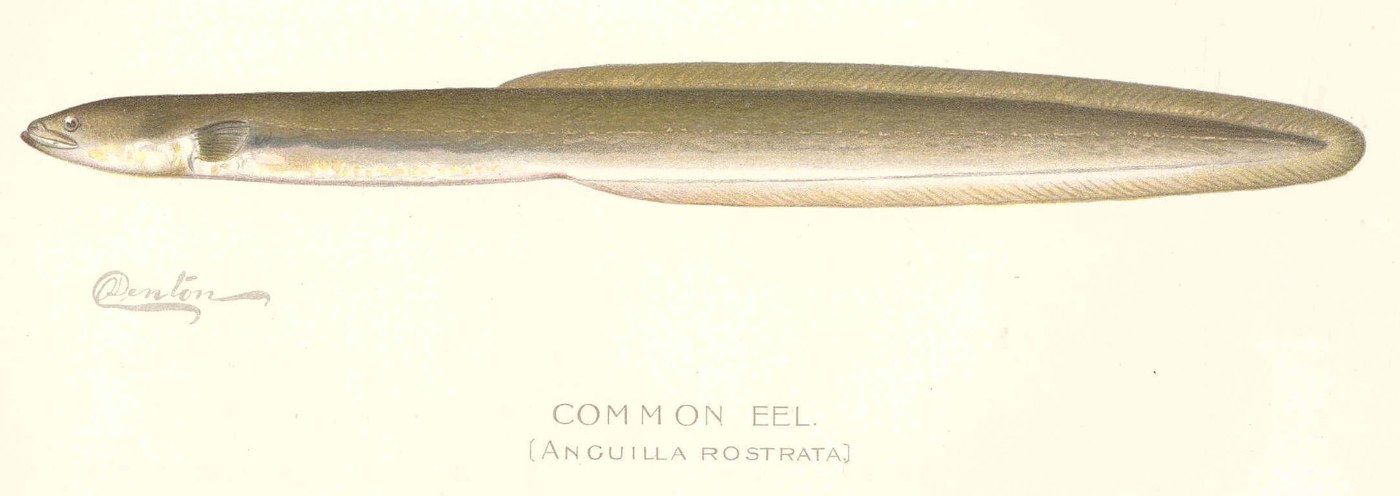
Every eel in Lake Champlain was born in the open Atlantic, two thousand kilometers (1,200 miles) away, and drifted here as a transparent, leaf-shaped larva. Every one that lives to breed swims the whole way back, spawns once, and dies. The spawning itself has never been observed.
Press play. The timeline runs through one eel's life, not calendar years.
The Chambly ladder count, 1997 onward
There is a ladder on the dam at Chambly, on the Richelieu, and the climb has been counted every year since 1997. It is the only long eel count in this basin. The first full season found nearly ten thousand eels; the highest since is 6,476, in 2010.
Two dams on the Richelieu
Between the Atlantic and this lake there are exactly two structures, and both are on the Richelieu. An elver that reaches Sorel and turns south has to get past them both.